Dress code
Business formal: what to wear
The most formal office dress: a dark suit, dress shirt and tie, or a suit, tailored dress or skirt suit.
When you'll see it: Law, finance, government and client meetings in conservative industries; formal interviews.
Decoded
What to wear, and what not to
Wear
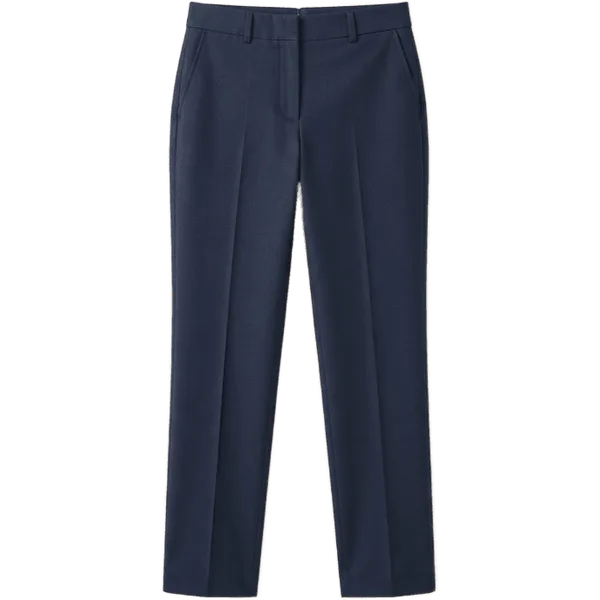
- ✓A trouser or skirt suit, or a tailored sheath dress with a blazer
- ✓A plain blouse or fine knit
- ✓Closed-toe heels or smart flats
- ✓Minimal jewellery
Avoid
- ✕Sleeveless tops without a jacket
- ✕Very bright colours head to toe
- ✕Open-toe sandals
Wear
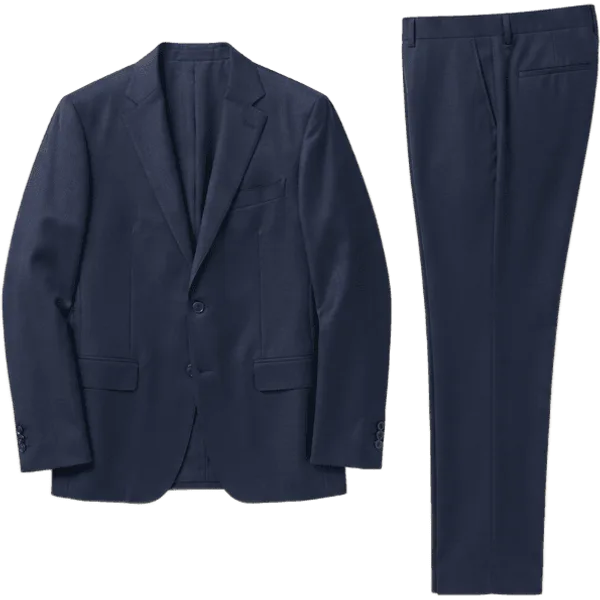
- ✓A navy, charcoal or grey suit
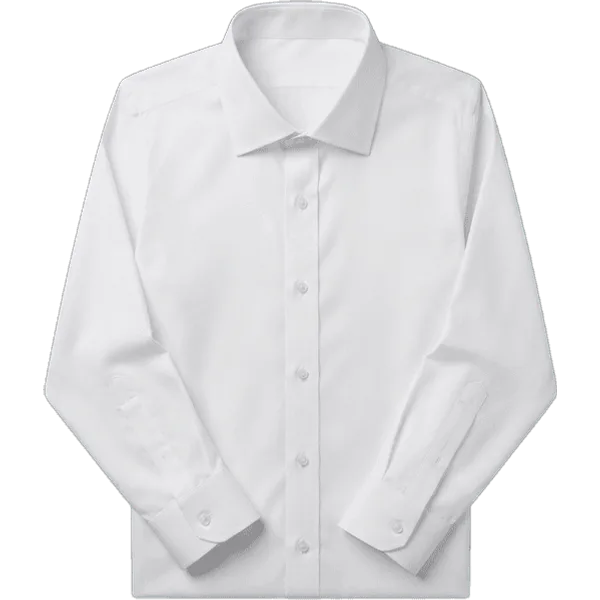
- ✓A white or light blue dress shirt
- ✓A conservative silk tie
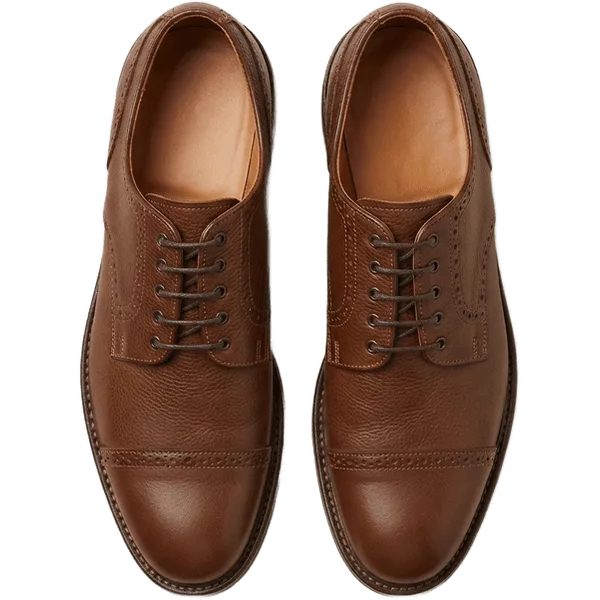
- ✓Black or dark brown oxfords, belt to match
Avoid
- ✕Loafers with no socks
- ✕Novelty ties and socks
- ✕Short-sleeved shirts
Outfits
Business formal outfits
Outfits at business formal level of formality.
Tap a colour dot on a card to swap that piece; only colours that still work are offered.
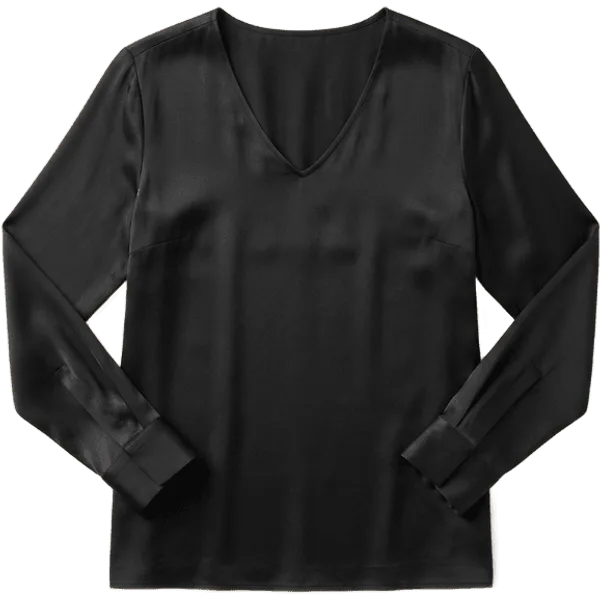
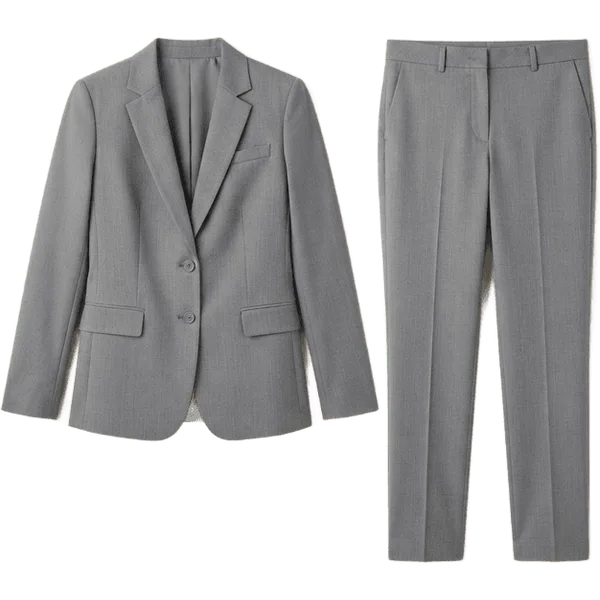
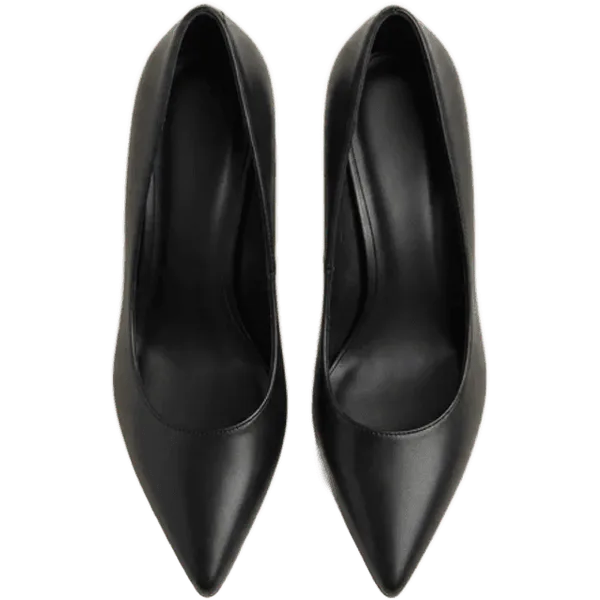
Business · All-neutral
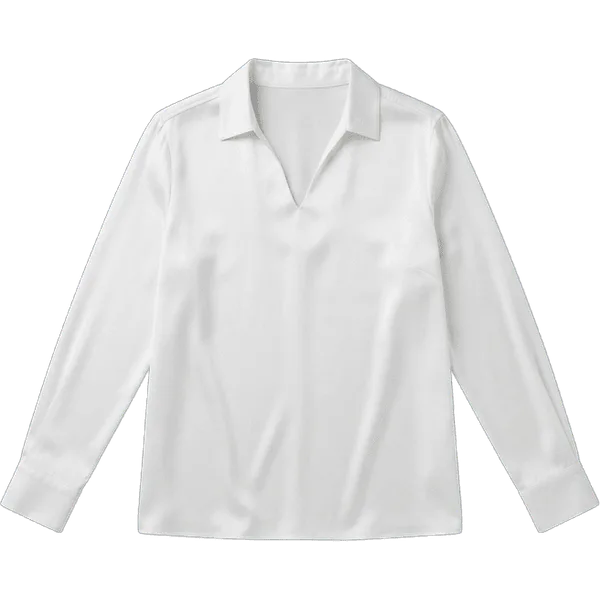
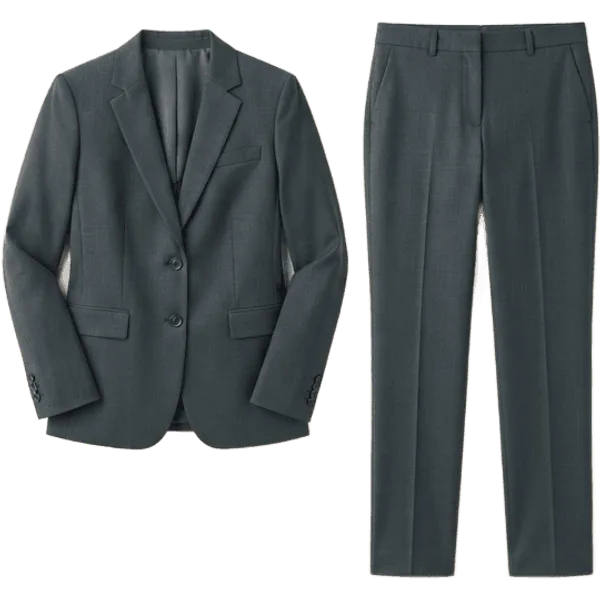
Business · All-neutral
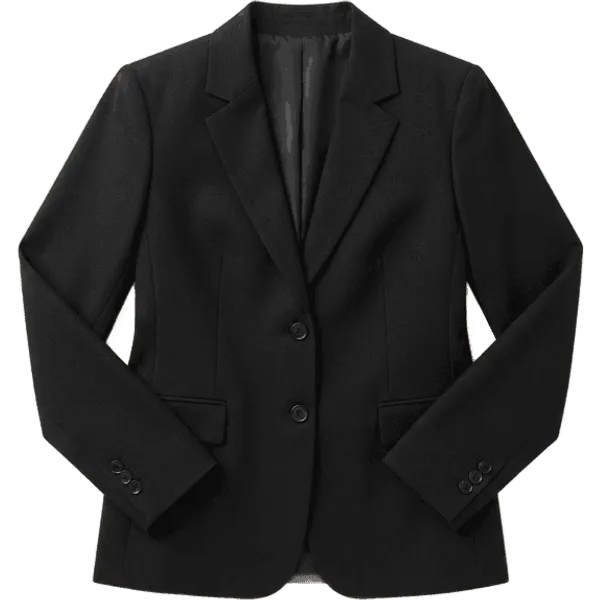
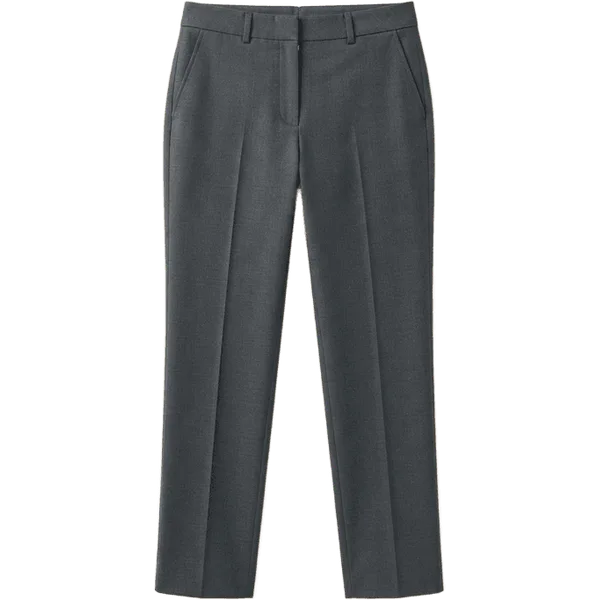
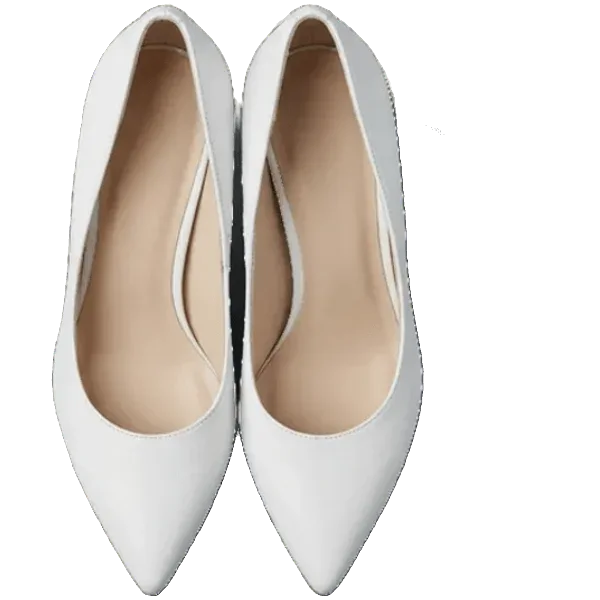
Business · Layered
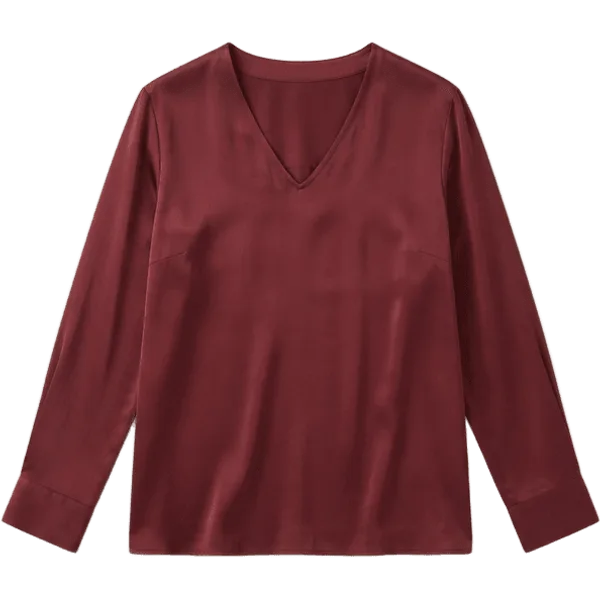
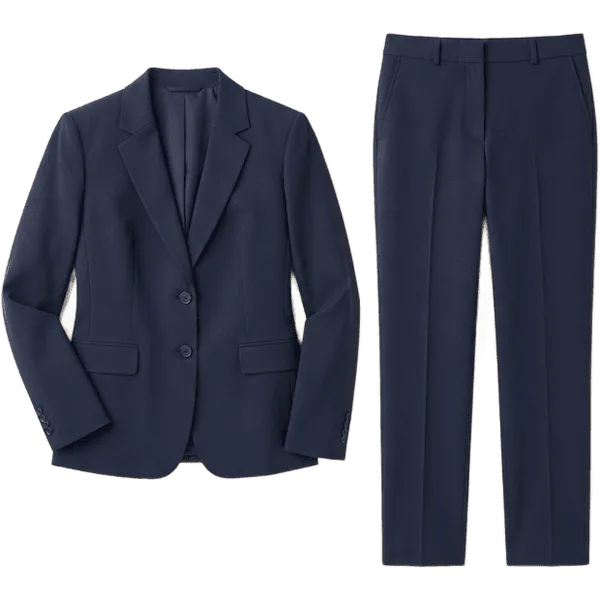
Business · One accent colour
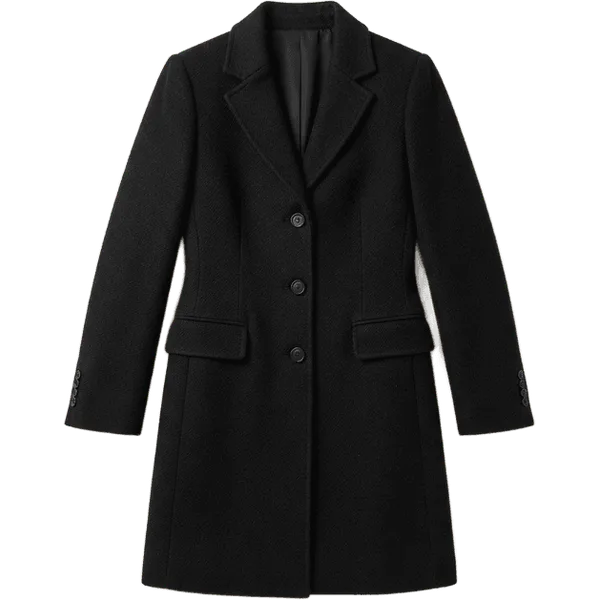
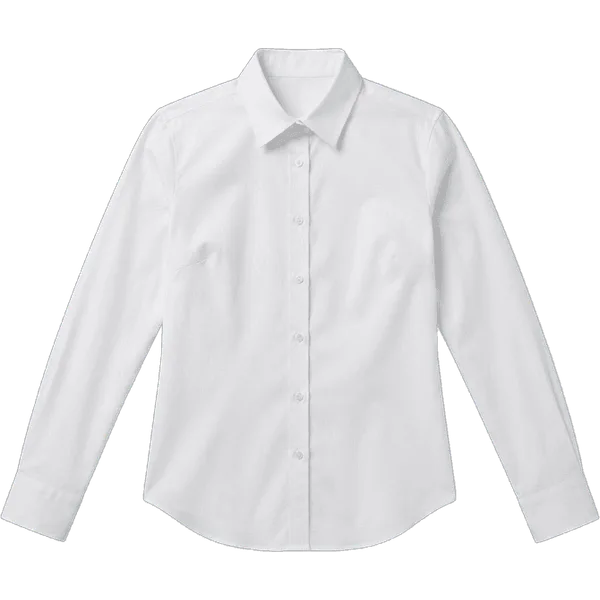
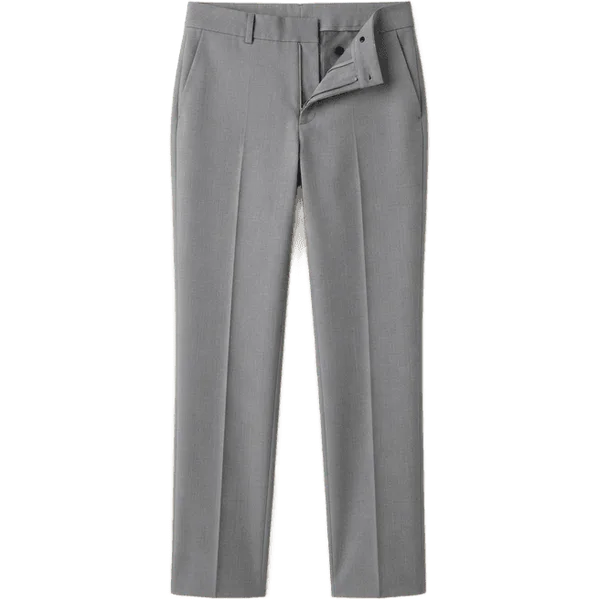
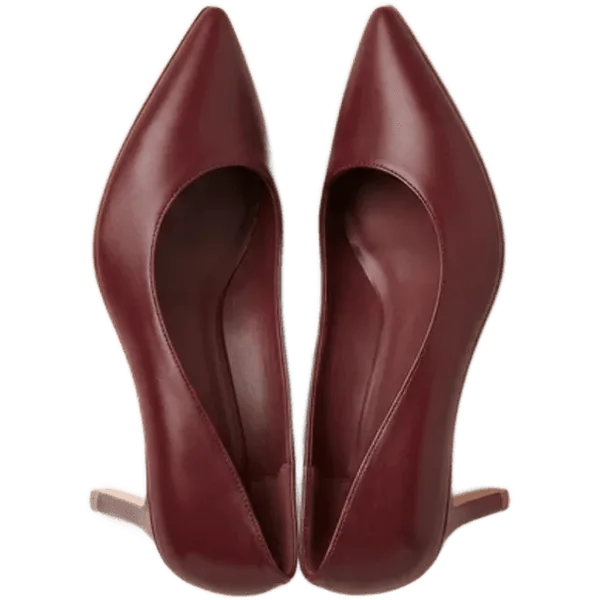
Business · Layered
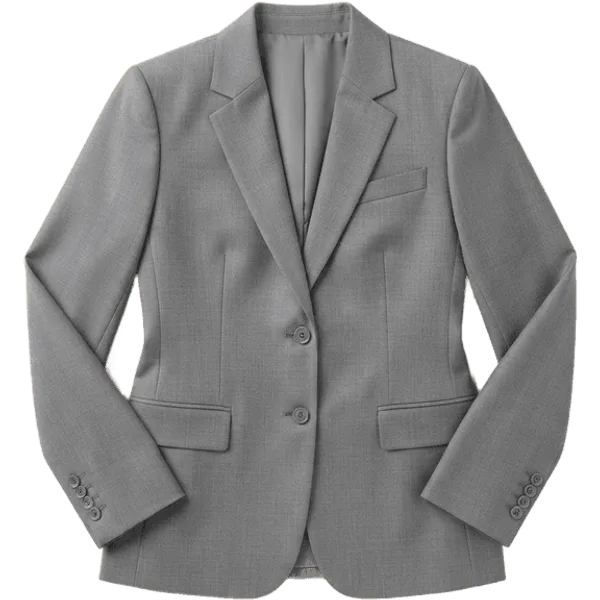
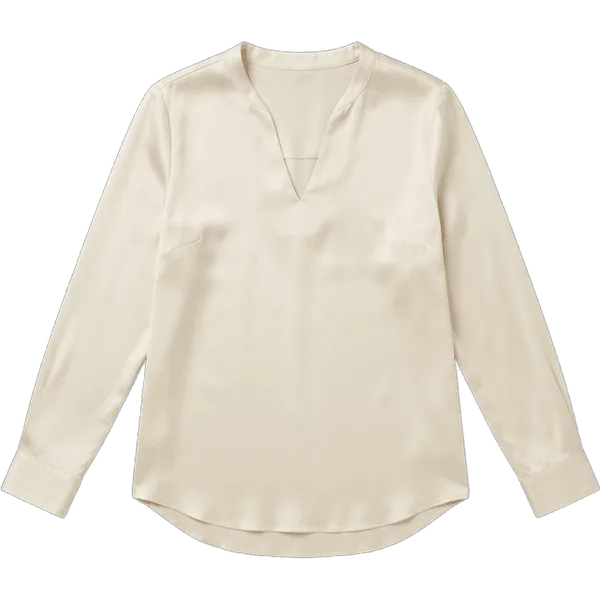
Business · Layered
Tap a colour dot on a card to swap that piece; only colours that still work are offered.
Business · All-neutral
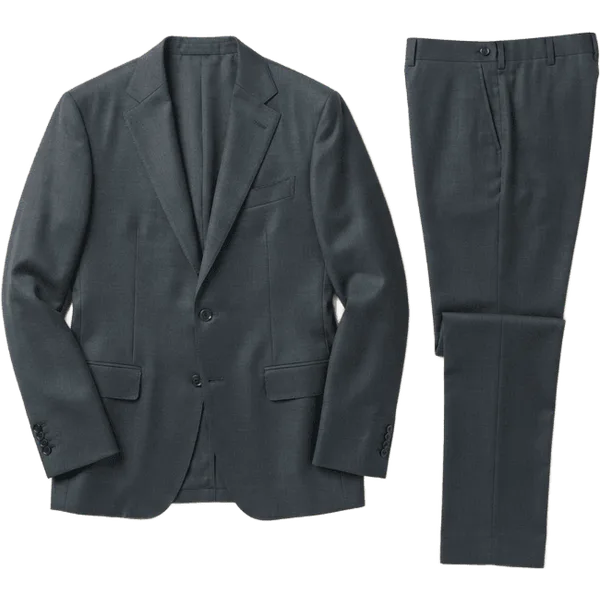
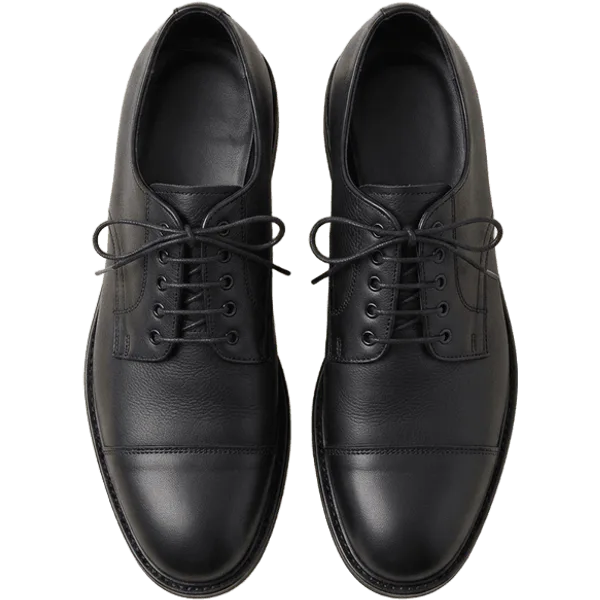
Business · All-neutral
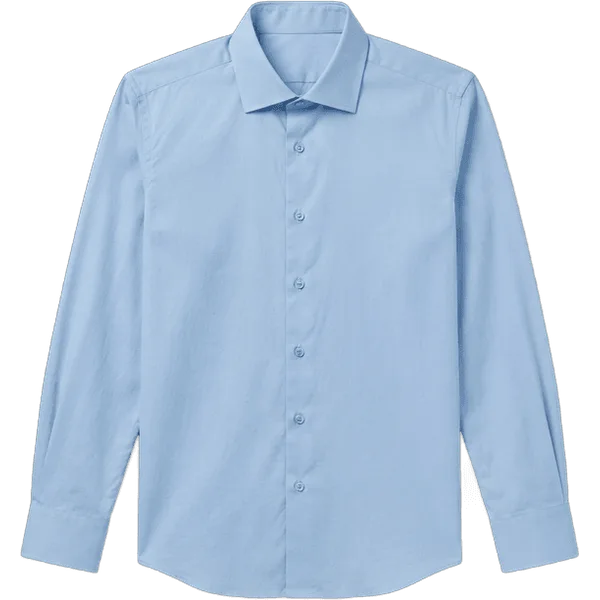
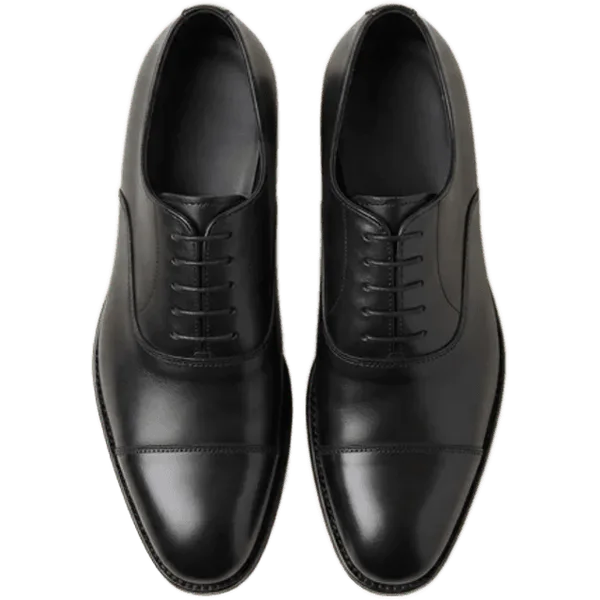
Business · One accent colour
Questions
Quick answers
What's the difference between business formal and business casual?
Business formal needs a suit (and a tie for men); business casual allows separates, knits and no tie.
Is a black suit business formal?
It works, but navy and charcoal are more traditional for business; black reads more evening.
Keep going
Other dress codes
Verdicts and outfits come from published colour and dress-code rules, not paid placement; garment images are AI-generated illustrations of generic pieces. How we decide